Automation and robotics are shaping modern industrial production. Highly advanced robotic systems enable processes with exceptional repeat accuracy, high speed, and continuous availability. In industries such as automotive and electronics manufacturing, robotics has long since become standard and is often regarded as synonymous with efficiency and competitiveness. According to current estimates, more than 4.28 million industrial robots are operating in factories worldwide, with China accounting for around 51% of the global installed base—an indication of the strong cross-industry trend toward automation.
However, impressive technology alone does not automatically guarantee an economically viable solution. Companies face the challenge of aligning technological performance with concrete economic criteria—particularly in production environments characterized by variability or frequent changeovers.
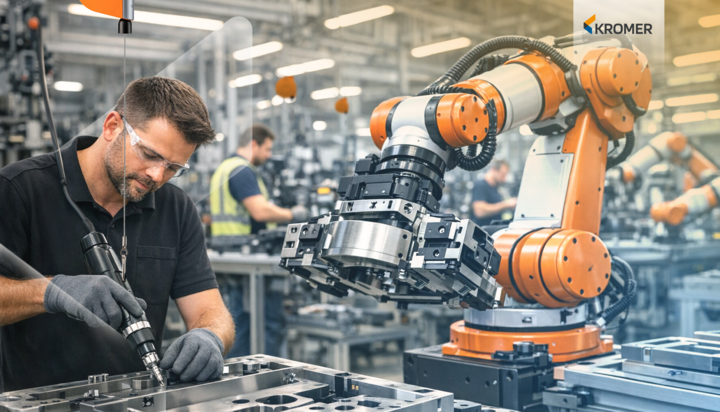
Robotics offers a high degree of automation, delivering clear advantages in stable, high-volume production processes. Once programmed, a robotic system can operate over long periods with consistent quality, high cycle rates, and no fatigue. Automation also reduces human error and, over time, can significantly lower production costs. A study by the International Federation of Robotics indicates that investments in automation can help companies increase productivity by 30% or more.
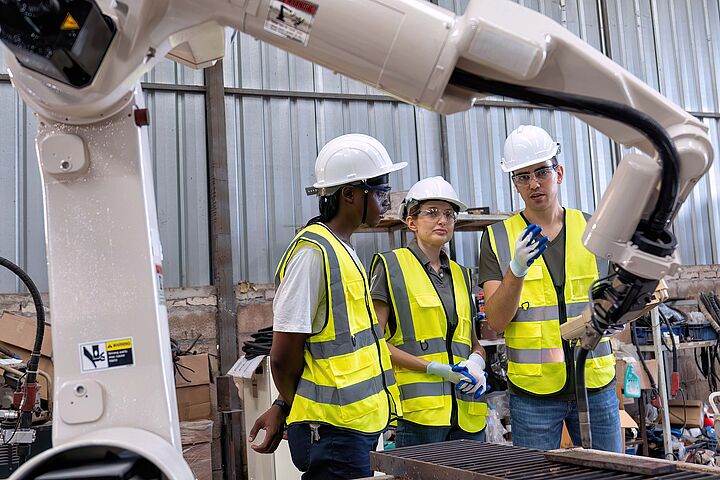
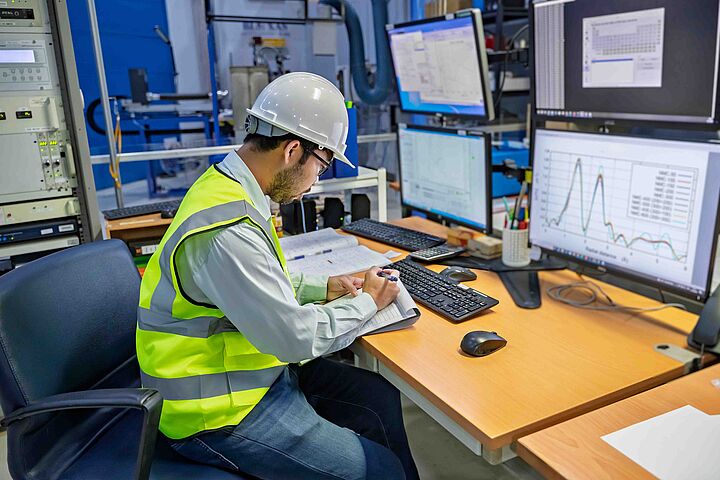
Robotics proves particularly cost-effective where processes are stable, high-volume, and low in variation. In such scenarios, amortization can often be achieved within a few years, especially in multi-shift operations.
Mechanical assist systems such as Spring Balancers (Retractors and Zero-Gravity Balancers) are based on a technically simple yet highly effective principle: integrated springs or counterweight systems almost completely offset the weight of a tool or component. This force-neutral condition allows tools to be guided almost weightlessly, without the operator bearing the full load. Unlike robotics, these systems require no power supply, software, or digital control. Tools are guided mechanically, enabling intuitive, precise, and repeatable movements. This reduces operator errors, stabilizes workflows, and significantly relieves physical strain on employees. At the same time, the systems automatically compensate for load peaks and minor handling fluctuations, improving workplace ergonomics and enhancing precision.
Mechanical Spring Balancers are also characterized by robustness and durability. They operate reliably even in harsh production environments and can be maintained easily—often without external specialists. Tool changes, load adjustments, and maintenance tasks can typically be completed within minutes. Because they operate independently of external energy sources, there are no ongoing energy costs, and the comparatively low initial investment makes them economically attractive. They are particularly advantageous in medium-volume production, manual assembly workstations, and high-mix processes where robotics may be less suitable due to high integration and modification costs. Mechanical assist systems such as spring balancers provide a flexible, efficient, and employee-friendly solution that enhances ergonomics, workplace safety, and cost-effectiveness alike.
In modern production environments, companies must balance efficiency, quality, and flexibility simultaneously. Both robotics and mechanical assist systems play an important role in optimizing production processes—but in different ways. Selecting the appropriate solution requires a thorough analysis of specific process requirements. Rather than viewing robotics and mechanical systems as opposing approaches, they should be understood as technologies with distinct strengths and areas of application.

Both technologies address different challenges and opportunities in production. The economically viable choice depends largely on the specific requirements of the respective production stage.
In modern manufacturing environments, robotics and mechanical assist systems are increasingly viewed not as competing technologies but as complementary solutions. In many facilities, core automated processes are handled by robotics, while manual pre- or post-processing steps are supported by mechanical systems that enhance ergonomics and allow flexible handling. Hybrid workstations are also common: robots perform repetitive or precision-critical tasks, while balancers assist with gripping, positioning, or handling operations—reducing operator strain and improving workflow efficiency.
When choosing between robotics, mechanical assist systems like Spring Balancers, or a combination of both, a well-founded evaluation is essential. Only a comprehensive analysis of all relevant factors ensures a sustainable economic decision.
Key influencing factors include:
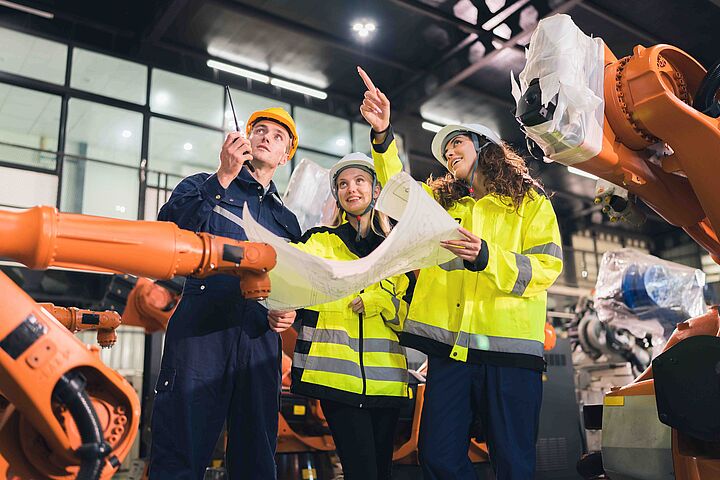
Robotics can deliver impressive performance and is indispensable in many automated production processes. It offers high precision, continuity, and strong economic performance in stable, high-volume environments. However, it is not automatically the most economical solution for every application. Spring Balancers can represent a powerful and cost-effective mechanical alternative in high-mix, medium-volume, or ergonomically demanding processes—or serve as complementary components within hybrid production environments.
The key insight: Every production process requires an individual analysis of all relevant factors. A well-informed decision considers both technical requirements and economic conditions, thereby unlocking sustainable optimization potential.
With over 100 years of expertise in spring balancers, our specialists will work with you to identify the optimal solution for your production operations.