
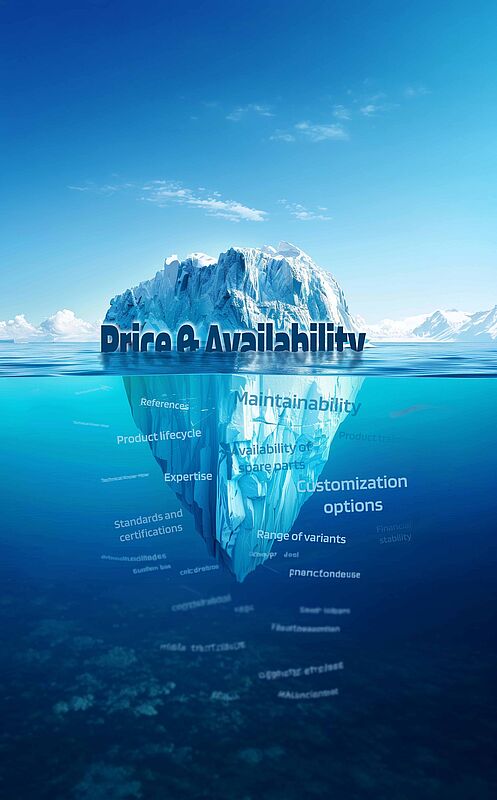
While the purchase price is immediately visible, the most significant costs arise during operation. Downtime, maintenance, spare parts availability, and repair effort often have a greater impact on cost efficiency than the initial investment.
As a result, the evaluation criteria shift: It’s not just about upfront cost, but about total performance over the entire lifecycle. A product that operates reliably and can be maintained over time contributes directly to process stability and long-term cost control. Service life is a critical lever. It determines how reliably a system performs over time and how often intervention is required. At the same time, all mechanical systems are subject to wear. Maintenance and service are not exceptions—they are part of normal operation. What matters is not just how long a product lasts, but how easily and reliably it can be maintained throughout its lifecycle.
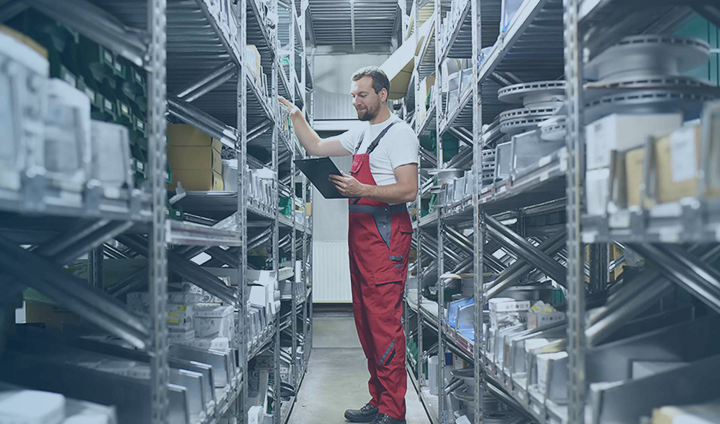
Availability and response time have a direct impact on downtime. At the same time, long-term availability is essential—especially for systems with extended service lives. Compatibility across product generations also plays an important role, ensuring that existing systems remain viable and cost-effective over time. Only the combination of these factors enables predictable and stable maintenance.
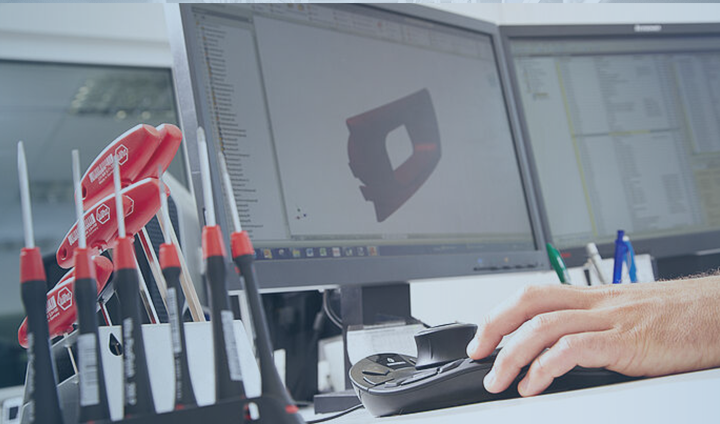
To meet these operational requirements, products must be built on a solid foundation in design and manufacturing. Proven quality standards are essential:
These ensure that products perform reliably not only under ideal conditions, but also in real-world industrial environments.
Industrial applications often come with highly specific requirements. Environmental conditions, safety regulations, and the tools used mean that standard solutions are not always sufficient. A well-structured portfolio makes it possible to address these differences—for example through ATEX, ESD, or stainless steel variants. This results not in a standalone product, but in a solution that is adapted to the specific application.
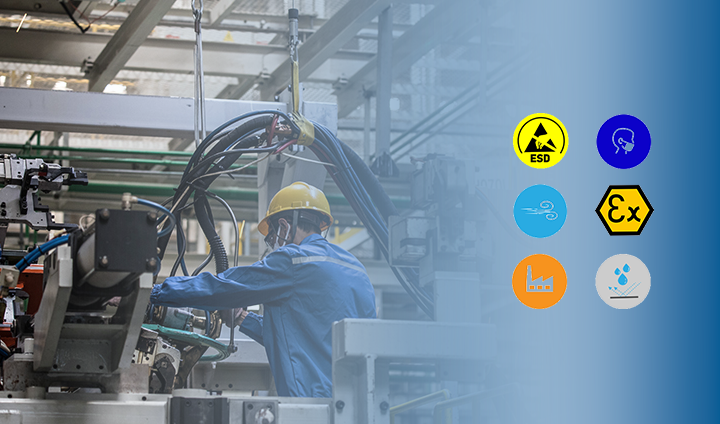
Only the combination of design, maintainability, spare parts strategy, and application-specific adaptation leads to a reliable overall system. A system that integrates seamlessly into production environments and continues to perform over time.
Continuity in operation is ultimately the benchmark for industrial components. Price and fast availability matter—but in industrial environments, stability, maintainability, and long-term cost efficiency are what truly count. What matters is how reliably a product integrates into existing processes and performs over years of operation.
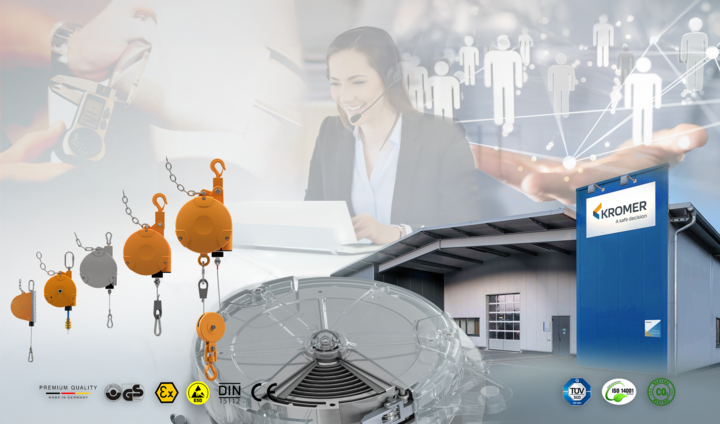
At KROMER, we consistently align our approach with these real-world requirements. We focus on designing products that deliver reliable performance in actual operation. This includes maintenance-friendly design, long-term spare parts availability, and engineering for economically sustainable use over time. Fast availability and competitive pricing are important factors. However, our priority is ensuring system stability in operation and making maintenance predictable and manageable over the long term.
Selecting a manufacturer goes far beyond procurement. It directly impacts maintenance effort, process stability, and long-term cost efficiency. Focusing primarily on price and lead time often misses the bigger picture. Because real performance does not start at delivery—it proves itself in long-term operation.